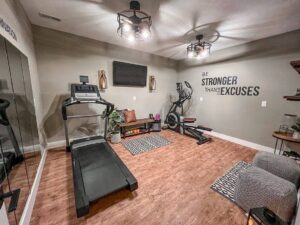

When it comes to creating a home gym setup that you’ll actually use consistently, choosing the right cardio machine is essential. Two of the most popular options are treadmills and exercise bikes. Both deliver excellent cardiovascular workouts, but they differ in impact, muscle engagement, and fitness outcomes. In this detailed comparison, you’ll discover the strengths and weaknesses of each so you can make the smartest choice for your home fitness goals.
Whether you want to blast fat, improve endurance, or preserve your joints, this guide will help you determine the best machine for treadmill vs exercise bike and how each stacks up in real‑world use.
Exercise Bikes vs Treadmills Overview
Treadmills and exercise bikes are among the most effective cardio machines for home use. A treadmill simulates outdoor walking, jogging, or running, while an exercise bike targets cycling motions in a stationary format. Because treadmill workouts engage both your lower body and core, they often result in higher calorie burn per minute than most bike sessions. However, bikes are typically kinder to your joints, making them ideal for longer workouts and those with mobility concerns.
Whether you’re comparing treadmill or exercise bike for belly fat reduction or general fitness improvement, it’s essential to understand how each machine aligns with your personal goals, space constraints, and workout preferences. These differences will shape which cardio machine will keep you motivated and consistent in the long run.
Exercise Bike Pros and Cons
Pros:
Exercise bikes are excellent for low‑impact workouts that protect your knees, hips, and lower back. You can pedal for extended periods with minimal discomfort, which makes exercise bikes ideal for beginners, people with injuries, or anyone who wants to reduce joint stress. Most bikes have adjustable resistance, allowing you to progress your fitness level over time while monitoring speed, distance, and calories burned.
Cons:
Because exercise bikes are lower impact and seated, they often burn fewer calories per hour than treadmills, especially at high intensities. They mainly target the lower body — quads, hamstrings, and glutes — and don’t engage your core or upper body as much unless you choose a dual‑action model. Some users also find cycling less motivating if they prefer more dynamic movement.
Treadmill Pros and Cons
Pros:
Treadmills are incredibly versatile: you can walk, jog, or sprint, and many models allow adjustable incline for hill training that boosts calorie burn and leg muscle engagement. Running on a treadmill often burns more calories per session than cycling at a moderate pace, which makes treadmills a strong choice if you’re asking “treadmill vs exercise bike which is better for fat loss?”
Cons:
Treadmills are typically pricier and larger than exercise bikes, requiring more space in your home gym. They also deliver higher impact on the joints, which isn’t ideal for everyone, especially those with chronic knee or hip problems. Regular maintenance — like belt lubrication and motor checks — is also more important for treadmills.
What Are Treadmills?
A treadmill is a cardio machine featuring a moving belt that allows you to walk, jog, or run indoors. Treadmills range from basic foldable units to fully equipped smart machines with incline, decline, heart rate monitoring, built‑in workout programs, and Bluetooth connectivity. They help you control every variable of your workout — from pace to intensity — making consistent training easier regardless of weather or time constraints.
Popular treadmills often include digital consoles that track time, distance, speed, and calories burned, giving you real‑time feedback that boosts motivation and helps you hit your goals faster.
Types of Treadmills
When choosing a treadmill for home use, you’ll typically find these options:
- Manual Treadmills – Powered by your movement, simpler and often cheaper but with limited features.
- Foldable Treadmills – Space‑saving models that fold up after workouts, perfect for smaller homes.
- Motorized Treadmills – Offer adjustable speed and incline, ideal for runners and walkers looking to vary intensity.
- Smart Treadmills – Integrated touchscreens, apps, and virtual classes take your workouts further with guided training.
- Heavy‑Duty Treadmills – Built for higher weight limits, longer running sessions, and intense use.
Each type offers different features based on space, budget, and fitness needs.
What Are Exercise Bikes?
Exercise bikes are stationary bicycles designed to simulate outdoor cycling in an indoor setting. They help improve cardiovascular endurance, leg strength, and calorie burn with adjustable resistance to make workouts harder as you progress. Most home bikes include digital displays that track speed, time, and calories burned.
Exercise bikes are especially useful when you want a gentle, joint‑friendly cardio option or prefer longer, steady‑state workouts. Unlike treadmills, they minimize impact on joints while still maintaining an elevated heart rate — making them perfect for fat‑burning sessions or recovery days.
Types of Exercise Bikes
Here’s a list of the main types of exercise bikes available for home use:
- Upright Bikes – Standard bike setup; great for general cardio and mimicking outdoor cycling.
- Recumbent Bikes – Feature a reclined seat and back support for added comfort.
- Spin Bikes – Heavy flywheel and adjustable resistance create a high‑intensity cycling experience.
- Dual‑Action Bikes – Include moving handles that work both upper and lower body.
- Foldable Bikes – Compact and space‑saving options great for small rooms.
Selecting the right type depends on your fitness goals, comfort needs, and available space.
Exercise Bike vs. Treadmill: Which is Better for Strength?
In terms of strength, both machines enhance muscular endurance rather than build large muscle mass. Treadmills emphasize lower body and core engagement, especially when walking or running on an incline. Regular treadmill sessions can increase leg power and help build stronger stabilizing muscles.
Exercise bikes primarily target the lower body — quads, glutes, and hamstrings — and are excellent for improving muscle endurance without significant joint stress. High‑resistance cycling can help tone and strengthen muscles over time, particularly when used with interval routines.
Exercise Bike vs. Treadmill: Which is Better for Weight Loss?
If your top priority is fat loss — including treadmill or exercise bike for belly fat reduction — treadmills often have an edge because they generally burn more calories per session due to the higher intensity of running or brisk walking. When you compare treadmill vs exercise bike which is better for fat loss, research shows that treadmill workouts at moderate to high intensity can produce greater calorie deficits in shorter amounts of time, which helps accelerate fat burning.
However, exercise bikes are formidable when used consistently and with varying resistance. A seated bike session can still elevate your heart rate and contribute to weight loss — especially if you’re doing longer, steady‑state workouts. So if you’re asking “is the treadmill or bike better for losing weight?” the treadmill wins in most comparisons, but the bike remains a excellent tool, especially if joint impact or comfort is a concern.
Exercise Bike vs. Treadmill: Which is Better for General Fitness?
In general fitness scenarios, both treadmills and exercise bikes deliver results. Treadmills improve cardiovascular strength, endurance, and overall heart health. Incline features add intensity that enhances stamina and muscle engagement.
Exercise bikes encourage longer cardio sessions with minimal fatigue or joint pain, helping you stay consistent. For cross‑training or joint rehabilitation, bikes are often preferable. The best option depends on your personal preference and fitness priorities — whether that’s higher intensity or sustainable comfort.
How to Choose Between an Exercise Bike and a Treadmill
Below are key factors to consider when deciding between an exercise bike and a treadmill:
Calories Burned
Treadmills typically burn more calories faster due to sustained impact and speed settings. Bikes burn calories more slowly but allow longer sessions with lower fatigue.
Footprint / Space
Exercise bikes tend to take up less room and offer foldable options. Treadmills usually require more floor space and safe clearance for use.
Cost
Exercise bikes often cost less upfront, while high‑end treadmills with smart features can be more expensive.
Enjoyment Factor
Your enjoyment determines consistency. Choose the machine you’ll use most often — whether that’s running or cycling.
Ease of Use
Exercise bikes are easy to start and intuitive. Treadmills may require balance and coordination, especially at higher speeds.
Injury Risk
Treadmills involve higher impact, which can stress joints. Bikes are gentle on the hips and knees, reducing injury risk.
Weight Loss
Treadmills usually support faster calorie burn, but consistent bike workouts also promote weight loss over time.
Muscles Worked
Treadmills engage the lower body, core, and stabilizing muscles, while bikes mainly focus on lower‑body muscle groups.
The Bottom Line
When evaluating treadmill vs exercise bike, there’s no one‑size‑fits‑all answer — it truly depends on what you want to achieve. If fast fat loss, high‑intensity sessions, and endurance training are your priorities, the treadmill is often the better pick. If you want low‑impact workouts with consistent comfort and longer sessions, the exercise bike may suit your lifestyle better.
Both machines can be valuable in a home gym. Investing in the one you enjoy most — or, if space and budget allow, both — will give you unmatched flexibility and help keep your workouts fresh and engaging.